
Water Damage Restoration in Arlington, TX
Expert water damage solutions when every minute counts—protecting Arlington homes and businesses 24/7!


Emergency Response Available
Water damage doesn't wait for business hours. Our certified restoration specialists are standing by around the clock to respond immediately to your emergency.
Advanced Restoration Technology
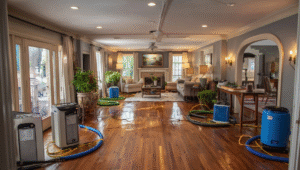
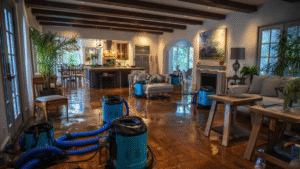
We deploy industrial-grade water extraction equipment and thermal imaging cameras to locate hidden moisture other companies miss.
Direct Insurance Billing
Navigate the claims process with confidence. We work directly with your insurance provider, handling documentation and communication from start to finish.
★ FAQ
Frequently Asked Questions
Consumer-grade equipment lacks the power to create proper drying conditions in structural materials. A household dehumidifier removes perhaps 50 pints daily, while our commercial units extract 200+ pints. More importantly, proper drying requires strategic equipment placement based on moisture readings, airflow patterns, and psychrometric principles. Without this knowledge, you'll waste days running equipment while mold establishes itself in damp materials. Professional restoration typically achieves complete drying in 3-5 days versus weeks of ineffective DIY attempts.
Mold spores can begin colonizing within 24-48 hours when conditions are right—not the week or longer many people assume. Texas humidity accelerates this timeline. Once established, mold spreads rapidly through porous materials like drywall, insulation, and wood framing. This is why immediate professional water extraction and controlled drying are critical. Waiting even a few days transforms a straightforward water damage claim into a complex mold remediation project costing thousands more.
Coverage depends on the water source and your specific policy. Sudden and accidental damage from burst pipes, appliance malfunctions, and roof leaks during storms is typically covered. Gradual damage from long-term leaks or maintenance neglect usually isn't. Flood damage requires separate flood insurance. We review your policy, document everything properly, and communicate directly with adjusters to maximize legitimate claims. Many homeowners who assume they're not covered actually have valid claims when properly documented.
Category 1 is clean water from supply lines or rain—relatively safe but still damaging. Category 2 is gray water from appliances like dishwashers and washing machines, containing contaminants that require sanitization. Category 3 is black water from sewage backups or flooding, containing dangerous pathogens requiring specialized cleanup protocols and extensive material removal. Many homeowners don't realize that Category 1 water becomes Category 2 after 48 hours of sitting, and Category 2 becomes Category 3—another reason immediate professional response matters.
This depends on water exposure duration, wood species, and finish type. Solid hardwood can often be saved with specialized drying mats that extract moisture without the cupping and crowning that occurs with ambient air drying. Engineered hardwood has less tolerance for moisture due to its layered construction. Laminate flooring almost always requires replacement after water exposure. We use moisture meters to assess saturation levels and make evidence-based recommendations rather than automatically recommending costly replacement when restoration is possible.
Water wicks up drywall and gets trapped behind baseboards and inside wall cavities where air circulation can't reach it. Without removing baseboards and creating airflow access, this trapped moisture takes weeks to dry and almost guarantees mold growth. Small holes drilled near the floor allow us to inject dry air into wall cavities, dramatically accelerating drying times. These minor cosmetic repairs cost far less than replacing mold-contaminated framing and insulation later. It's preventive intervention, not unnecessary damage.
This is precisely why professional moisture meters are essential. Materials may feel dry to the touch while still containing 20-30% moisture content—well above the 15% or less standard required to prevent mold and structural issues. We take daily moisture readings at multiple depths in affected materials, comparing them to readings from unaffected areas. Only when readings consistently match dry standards do we remove equipment. Trusting touch or visual inspection leads to premature equipment removal and inevitable mold problems.
Absolutely. Water and electricity create dangerous situations that many homeowners underestimate. Submerged outlets, wet wiring in walls, and soaked electrical panels pose electrocution and fire risks. We coordinate with licensed electricians to inspect affected systems before restoration begins. Never assume electrical components are safe just because breakers haven't tripped. Water can compromise insulation and create short circuits that manifest days or weeks later. Professional assessment protects both restoration workers and your family.
That odor indicates active microbial growth—mold, mildew, or bacteria feeding on wet organic materials. It won't disappear without addressing the moisture source and contaminated materials. Air fresheners and odor sprays just mask the smell temporarily while the underlying problem worsens. Professional remediation removes contaminated materials, treats affected surfaces with antimicrobials, and uses hydroxyl generators or ozone treatment to eliminate odor-causing compounds at the molecular level. If you smell mustiness, you have an active problem requiring immediate attention.
Emergency water extraction and equipment setup happen within hours of our arrival. Structural drying typically requires 3-5 days of continuous dehumidification and air movement, though severe saturation or high humidity can extend this to 7-10 days. Mold remediation adds 2-5 days depending on contamination extent. Final repairs and restoration vary based on damage scope—minor drywall replacement takes days while extensive reconstruction takes weeks. Unlike the "it'll dry out eventually" approach that drags on for weeks while damage worsens, professional restoration follows a defined timeline with measurable milestones.
📍 On the map
Our Comprehensive Water Damage Restoration Process
Systematic approach ensures complete moisture removal and prevents secondary damage
Our proven restoration methodology addresses immediate water removal while implementing preventive measures to protect your property from mold growth and structural deterioration.
Transparent Water Damage Restoration Pricing
Every water damage situation is unique, requiring customized solutions. We provide detailed estimates and work directly with insurance carriers to minimize your financial burden.
- • Emergency Water Extraction - $400-$800
- • Structural Drying (per day) - $300-$600
- • Moisture Inspection & Testing - $150-$300
- • Mold Remediation - $500-$3,000+
- • Sewage Cleanup (Category 3) - $1,200-$4,500
- • Hardwood Floor Drying - $800-$2,500
- • Carpet & Pad Removal - $2-$4 per sq ft
- • Drywall Removal & Replacement - $50-$85 per panel
- • Content Pack-Out & Storage - Custom pricing
- • Insurance Deductible-Only Programs - Ask about qualification